



Free Funnel Audit
Convert more customers today!

SEO
10 mins read

SEO
10 mins read
Fintech SEO works when search engines trust a website enough to show it to users who are about to make serious money decisions. That trust does not come from clever tricks. It comes from clarity, consistency, and proof that real expertise sits behind the content.
Most people searching for fintech solutions are cautious. They compare. They read twice. They hesitate before clicking a signup button. A strong SEO strategy in this space has to respect that mindset first, and rankings follow naturally.
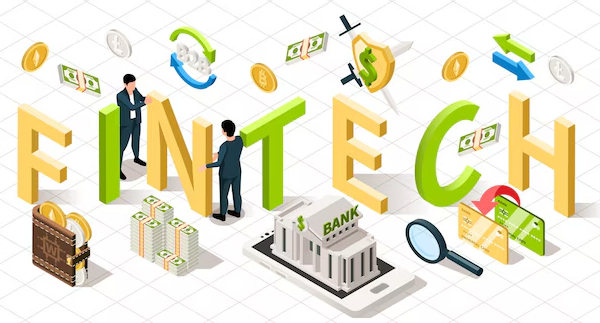
Fintech SEO is the process of improving search visibility for financial technology companies. Simultaneously, it allows the companies to meet higher trust, accuracy, and compliance standards than most industries.
This space is not like lifestyle blogging or casual SaaS marketing. Search engines treat financial content as high-risk because wrong advice can cause real harm. That changes how content is evaluated, ranked, and even filtered.
Think about how people search for fintech products. They are not browsing for fun. They are looking for safe ways to move money, invest, borrow, insure, or manage risk. That intent shapes everything.
Key differences that matter:
Ignoring these differences is one of the fastest ways fintech sites stall in rankings.
At first glance, SEO looks simple. Write content, add keywords, build links. In fintech, this generic approach doesn’t work.
The biggest challenge is trust. Financial topics fall under “Your Money or Your Life” standards. That means search engines scrutinize:
There is also competition pressure. Many fintech keywords have high cost-per-click values. When ads cost hundreds per click, organic results become crowded and aggressive.
Common doubts decision-makers face:
Most of the time, the answer comes back to trust signals, not tactics.
Understanding evaluation rules removes a lot of frustration. Rankings improve faster when the focus shifts from gaming algorithms to meeting expectations.
Financial content sits firmly within “Your Money or Your Life” territory. That means every page is evaluated through experience, expertise, authority, and trust.
Search engines look beyond keywords to answer:
Thin content, anonymous authorship, or exaggerated claims do not survive long-term in fintech search.
Fintech brands are judged as entities, not just websites. Mentions across the web matter even without links.
Strong signals include:
Search engines connect these dots quietly. Users do the same.
People skim fintech content with caution. If pages feel confusing or sales-heavy, they leave.
Positive engagement comes from:
Good SEO here feels more like good teaching than marketing.
Even when not legally required, compliance awareness influences SEO outcomes. Content that ignores regulatory context feels unsafe to users and untrustworthy to algorithms. Clear disclaimers, jurisdictional clarity, and conservative language signal maturity and legitimacy.
Generative Engine Optimization focuses on making content usable by AI systems that summarize and recommend information. These systems favor clarity over creativity and precision over persuasion.
In fintech, GEO success depends on explaining concepts cleanly, outlining risks, and presenting balanced viewpoints without promotional pressure.
AI systems prioritize content that reads like expert guidance, not marketing copy.
Pages that explain how a product works, who it is for, who should avoid it, and what limitations exist are more likely to be cited in AI summaries than landing pages focused on conversion.
While social links may not directly boost rankings, they reinforce entity credibility. Fintech brands that appear consistently across professional and discussion platforms feel more legitimate to both users and algorithms.
Consistency matters more than virality.
When users encounter a fintech brand across search, social platforms, and third-party discussions, perceived legitimacy increases. Search engines detect the same pattern.
Branded searches indicate trust. When users search for a fintech brand by name, it signals recognition, credibility, and intent.
Track:
These signals compound over time.
Original data reduces skepticism. It shows real-world insight rather than recycled opinions.
Well-positioned proprietary research attracts natural links from journalists, analysts, and industry blogs, often outperforming traditional outreach campaigns.
Search engines now reward topical authority. That requires structured clusters instead of isolated articles.
This structure helps both users and crawlers understand depth.
Each page should serve one clear intent. Mixing education, comparison, and conversion on the same page weakens trust signals.
Even informational content benefits from showing who reviewed it and why they are qualified.
Content should acknowledge risk, limitations, and regulatory context without sounding defensive. Calm transparency builds confidence.
Speed matters more in fintech than most industries. Slow or unstable pages create doubt instantly.
Most fintech research now happens on mobile. Interfaces must feel secure, readable, and intuitive.
Use schema to clarify:
This supports AI understanding and rich results.
Vanity metrics mislead in fintech. Focus instead on:
Use analytics platforms that track user behavior beyond pageviews.
Measure progress quarterly, not weekly. Trust signals compound slowly but last longer.
Fix trust and clarity issues before scaling content volume.
Invest more in research, editing, and review than production speed.
Even strong teams fall into patterns that hold them back.
Frequent issues include:
SEO rewards patience more than pressure in this space.
Before publishing or scaling, check the basics:
If any answer feels uncertain, revise before pushing live.
Fintech SEO is not about outsmarting algorithms. It is about earning the right to be trusted when people search for help with their money. When content respects that responsibility, rankings stop feeling mysterious and start feeling deserved.
Higher trust thresholds, regulatory scrutiny, and user caution.
Typically longer than other industries, but results are more stable.
Yes, but relevance and credibility matter more than quantity.
Yes. Educational value often drives trust better than aggressive CTAs
Only with expert review and strong editorial control.
Critical. Anonymous content struggles in YMYL niches.
A significant one. Brands are ranked as entities, not just pages.
No. Visibility and authority often precede conversion.
Start using our A/B test platform now and unlock the hidden potential of your website traffic. Your success begins with giving users the personalized experiences they want.
Start Your Free Trial

Empowering businesses to optimize their conversion funnels with AI-driven insights and automation. Turn traffic into sales with our advanced attribution platform.
Trusted by Customers


©CausalFunnel Inc. All rights reserved.